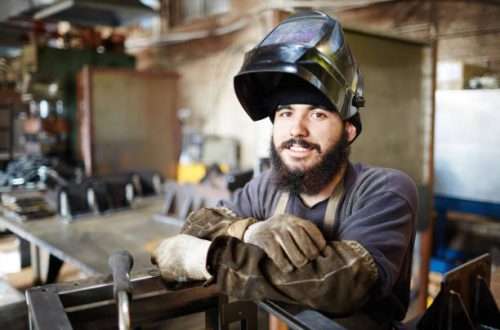
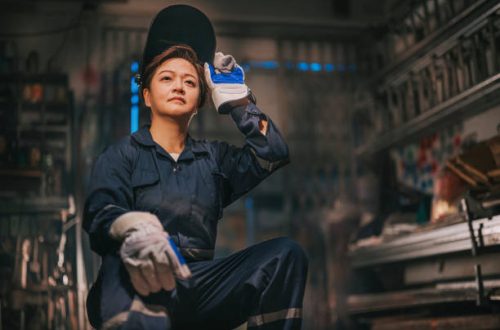
welding helmet . Different welding methods have varying requirements for light intensity, temperature, and spatter. Whether it’s manual arc welding, MIG, TIG, or plasma cutting, the helmet’s level of protection, optical performance, and comfort design must be tailored to the application. Choosing the right helmet not only protects your eyes and face but also improves welding accuracy and efficiency.
Manual Metal Arc Welding (SMAW)
Manual arc welding (SMAW) produces intense arc light and significant spatter, requiring the highest level of helmet protection. For this type of work, it’s recommended to use an auto-darkening helmet with a wide shade range (DIN 9–13) to ensure instant dimming in the event of a sudden arc flash. The helmet shell should also be heat-resistant to prevent surface deformation during prolonged welding. Because SMAW often involves high-temperature metal particle spatter, it’s recommended to choose a material with a heat-resistant coating for further protection.
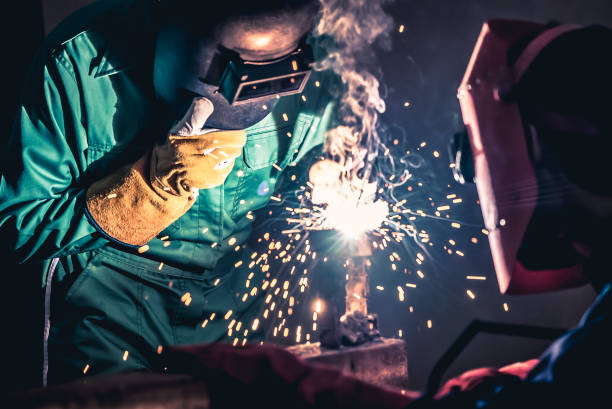
Gas shielded welding (MIG/MAG)
MIG welding produces a more stable arc, yet still offers high intensity, and welding times are typically longer. For MIG welders, long-wearing comfort is crucial. A helmet should be lightweight, well-balanced, and have ventilation or anti-fog features. An auto-dimming function is also crucial, with adjustable darkness between DIN 10–12 to accommodate the reflective properties of different metals. Some high-end models even automatically sense the welding current and intelligently adjust the darkness, eliminating the need for frequent manual adjustments.
TIG welding
TIG welding is renowned for its delicate and precise performance, but the arc light fluctuates frequently and is relatively weak. Conventional auto-darkening helmets are often insensitive to low-brightness arc light, potentially causing a flickering field of view. For TIG welding, an auto-darkening helmet with a low sensitivity threshold should be selected to ensure a fast response even in low arc light conditions. The lens should also offer high optical clarity and low distortion, allowing welders to clearly observe changes in the weld pool and maintain precise weld control.
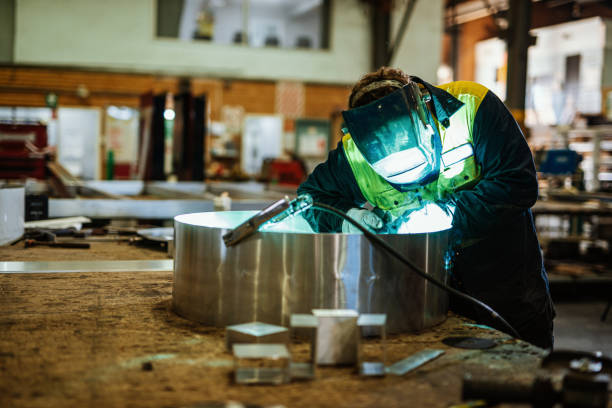
Plasma cutting and carbon arc gouging
This type of work generates extremely high arc intensity, accompanied by metal debris and intense hot air. Helmets must be highly impact-resistant and have a high-heat-resistant shell. Models with respiratory protection systems or ventilation are recommended to reduce the risk of fume inhalation. For welders engaged in prolonged cutting operations, proper helmet balance and head support are also crucial to reduce neck strain.
Multifunctional operation and training purposes
welding helmet with adjustable light intensity and interchangeable lenses can be an option . These helmets accommodate a variety of welding methods and offer a more cost-effective solution. Some models support both manual and automatic mode switching, making it easier for beginners to master light intensity control during their learning process.
Conclusion
Each type of welding presents unique protective requirements. A suitable welding helmet can significantly improve work safety and precision. When choosing a suitable helmet, welders should consider the type of welding, frequency of use, and personal habits. Only by finding the right welding helmet can we complete each weld safely and efficiently amidst the flashing light of welding.