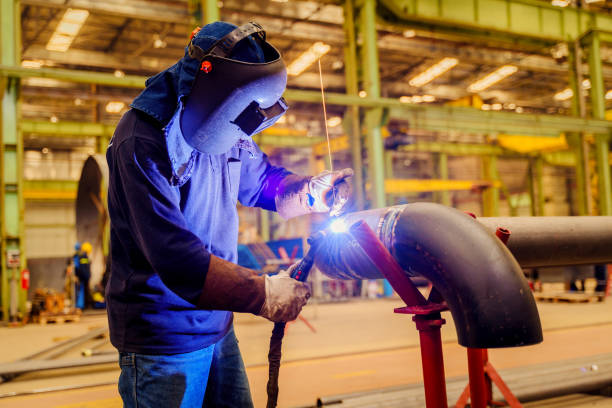
A welding helmet is a critical piece of equipment for welders, protecting their eyes and face. Proper maintenance and cleaning not only prolongs its lifespan but also ensures its protective performance and comfort. Whether you’re a beginner or an experienced welder, mastering proper maintenance techniques can prevent helmet performance degradation and potential safety hazards. This article will share practical tips for maintaining and cleaning your welding helmet .
1. Daily cleaning methods
Lens cleaning
Use a soft microfiber cloth or a special lens cloth to wipe the lenses to avoid scratching them.
If there are oil stains or welding residues on the lens, wipe it gently with a small amount of water or neutral detergent.
Avoid using cleaners containing alcohol or solvents as they may damage the protective coating.

Helmet shell cleaning
Wipe away surface dust and welding slag with a clean cloth.
You can wipe it lightly with a damp cloth, but avoid water entering the internal circuit or light sensor of the helmet.
Internal cushioning and headband cleaning
Removable padding and headband, wash with warm water and mild detergent and air dry.
Do not dry at high temperatures to avoid deformation or damage to the material.
2. Regular inspection and maintenance
Lens inspection
Check the lenses regularly for scratches, cracks or discoloration and replace them if necessary.
Make sure the auto-darkening lenses are functioning properly and the sensors are responsive.
Headband and padding
Check the elasticity of the headband and the integrity of the padding. Loose or damaged parts need to be replaced to ensure comfortable and secure wearing.
Battery and light sensor
Automatic dimming helmets require regular checks of the solar panel or battery status to ensure uninterrupted operation during long periods of time.
Keep the sensor clean to avoid welding slag or dust covering it and affecting its response sensitivity.

3. Storage Precautions
Avoid exposing the helmet to high temperature, humidity or direct sunlight for a long time to prevent deformation or performance degradation.
When storing, place the helmet in a dry and ventilated place. Use a special helmet bag or box to protect the lens from being scratched.
When not in use for a long time, the lenses can be stored separately from the helmet to extend their service life.
4. Common Misconceptions
If the lens is dirty, wipe it with your hands
Grease and dust from your hands can easily cause scratches, so you should wipe it gently with a clean cloth.
Helmet soaked in water
The internal circuits and sensors of the helmet are easily damaged, so do not immerse them in water.
Neglecting battery maintenance
If the battery or solar panel of an automatic dimming helmet is not checked for a long time, it may cause malfunction or delayed response.
Conclusion
The safety and lifespan of a welding helmet are closely linked to routine maintenance and cleaning. By properly cleaning the lenses, inspecting the headband, maintaining the battery, and properly storing it, you can ensure it’s always in optimal condition. A well-maintained welding helmet not only improves productivity but also provides reliable safety for welders, ensuring peace of mind during every weld.