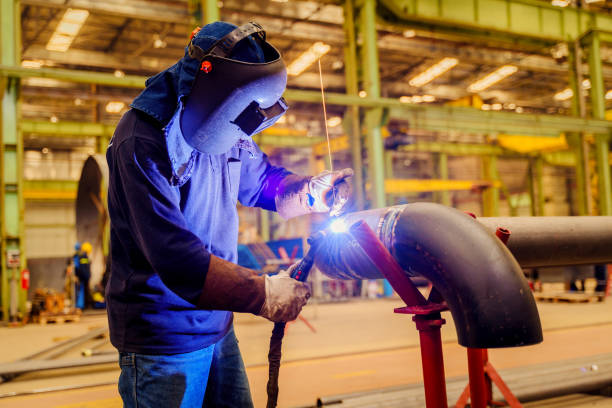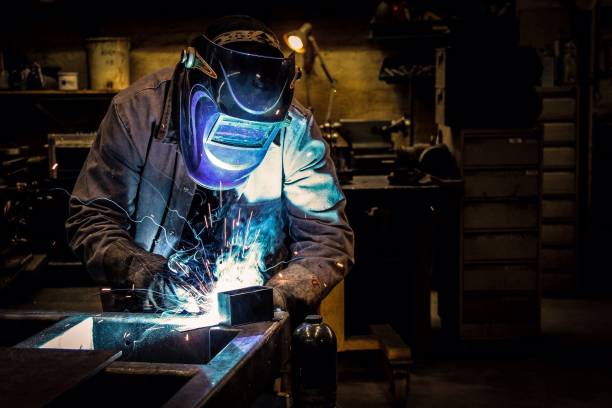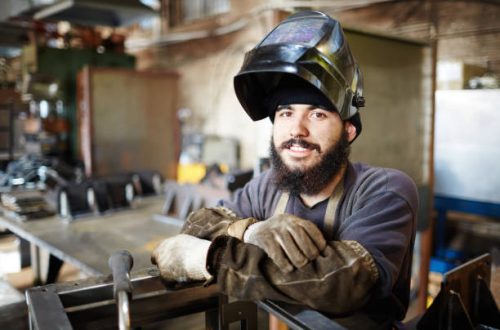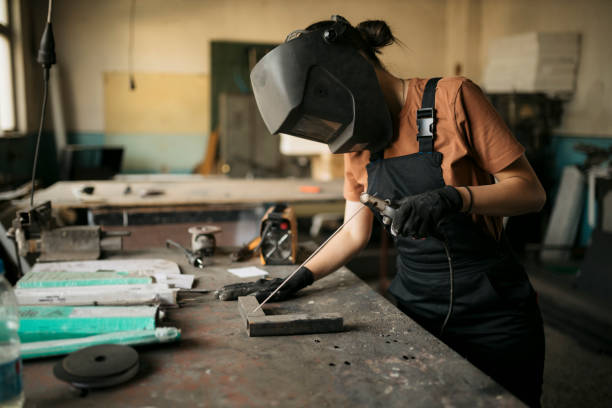
The intense welding arc generates ultraviolet (UV), infrared (IR), and glare, which can not only cause eye fatigue but also potentially lead to short-term or long-term eye damage. Therefore, the UV and glare protection of a welding helmet are core features that every welder must consider. This article will delve into the importance of these features and the key considerations when choosing a helmet.
1. The importance of UV protection
exposure
to welding arc light can cause keratitis, eye burns, and even vision loss. UV protection can effectively prevent this damage.
The protection level of
a welding helmet: High-quality helmet lenses must meet DIN or internationally certified UV protection standards to ensure that more than 99% of ultraviolet rays can be filtered at any brightness.
Full protection
includes not only the lenses, but also the sufficient face coverage of the helmet to prevent flying sparks and ultraviolet rays from damaging the facial skin.

2. Analysis of Anti-Glare Design
The impact of arc glare
The welding arc intensity is extremely high, and direct light can cause blurred vision, eye fatigue, and affect the accuracy of welding operations.
Automatic darkening lens technology
Automatic darkening helmets use liquid crystal lenses to quickly adjust the darkness, instantly reducing glare intensity, allowing welders to continue observing the weld without damaging their eyes.
Anti-reflective coating:
Some high-end helmet lenses use anti-reflective coating to reduce ambient light reflection and improve the visual comfort and safety of welders in complex working environments.
3. Choose a helmet with core functions
Check the UV and IR protection levels
and ensure that the helmet lens is marked with UV/IR protection levels. This is especially important for professional welders who engage in welding work for a long time.
Auto-darkening and shade range
Auto-darkening helmets offer multiple shade options to accommodate different welding types, ensuring glare protection while meeting operational needs.
Lens size and field of view
Large-size lenses not only improve the field of view, but also enhance the overall protection effect and reduce the chance of eye contact with arc light.
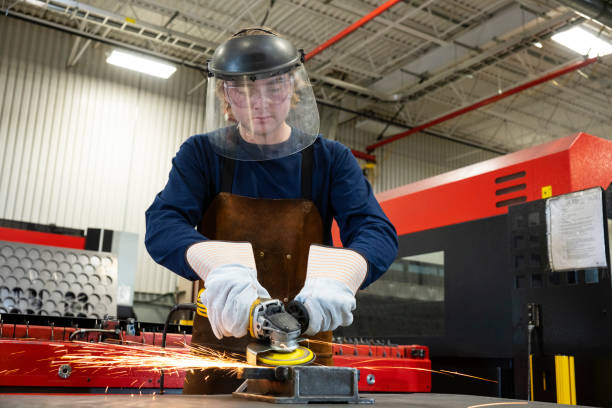
4. Usage and maintenance suggestions
Check your lenses regularly to prevent scratches or aging that can reduce UV and glare protection.
Clean the lens surface : avoid stains or welding slag that may cause light refraction and affect vision.
Pay attention to the position of the helmet on your face : make sure the lenses fit perfectly on your face to prevent light from leaking in.
Conclusion
A welding helmet ‘s UV protection and anti-glare features are not only crucial for comfort but also crucial for eye and facial safety. Understanding and selecting a helmet with a high level of protection and excellent optical performance is crucial for every welder to reduce occupational injuries and improve work efficiency. Safe welding begins with core protective features, ensuring the most reliable protection for the eyes and face.