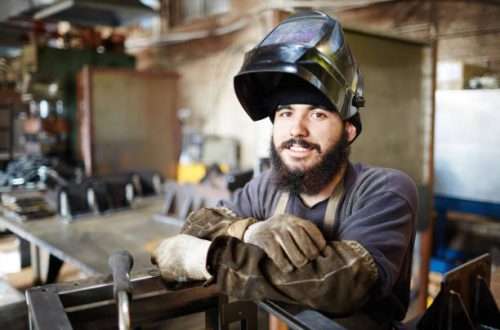
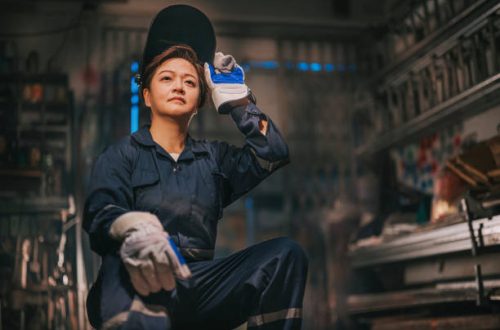
A qualified welding helmet , in addition to excellent optical performance, also relies on its protective materials to determine its safety rating and service life. The high temperatures, spatter, ultraviolet rays, and infrared radiation associated with welding require helmets to be durable, heat-insulating, and impact-resistant. Understanding these material differences helps welders choose the appropriate protective equipment based on their work environment and frequency of use.
Characteristics of different materials
Common welding helmet materials currently on the market include polycarbonate (PC), fiberglass-reinforced plastic (FRP), and nylon composites. Polycarbonate is a lightweight, impact-resistant plastic with excellent heat resistance and transparency, making it a common choice for auto-darkening lens housings. FRP, known for its high strength and high-temperature resistance, is suitable for prolonged or heavy-duty welding work. Nylon composites offer a balance of flexibility and wear resistance, effectively protecting against burns and abrasion caused by welding spatter.
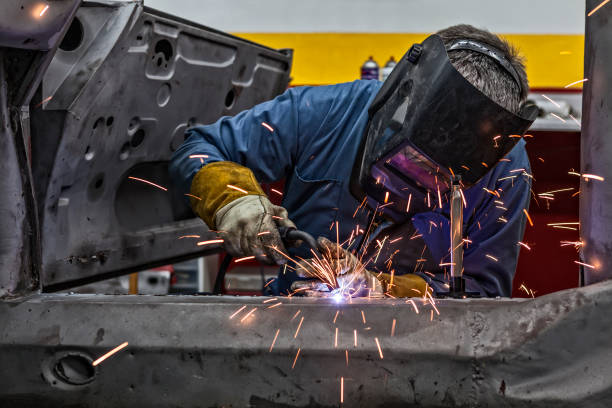
Some high-end models also feature anti-static coatings or scratch-resistant surface treatments to ensure the helmet remains clear and stable even in complex working environments. These subtle design details, while not easily noticed, significantly impact the user experience and lifespan of the helmet.
The relationship between materials and comfort
Welding operations often last for extended periods, and the weight and breathability of a helmet directly impact welder fatigue. Lightweight polycarbonate helmets are more suitable for daily or moderate-intensity work, while FRP helmets, while heavier, offer more stable protection in high-temperature, high-arc environments. Some helmets feature flame-retardant foam liners and adjustable headbands to distribute head pressure and improve fit, keeping welders comfortable and focused during extended work.
Safety standards and certifications
When selecting protective materials, one shouldn’t just focus on weight and appearance; one should also consider compliance with relevant safety standards. For example, the US ANSI Z87.1 standard and the European EN175 certification both have clear requirements for impact resistance, heat resistance, and optical quality. A qualified welding helmet must maintain structural stability in high-temperature and arc-flash environments, ensuring it can protect the head from unexpected splashes or falling objects.

Usage and maintenance recommendations
The performance of protective materials changes over time and in the environment. Welders should regularly inspect the helmet shell for signs of aging, cracks, or deformation, and avoid prolonged exposure to high temperatures to prevent the material from losing its strength. If the helmet surface becomes yellowed, brittle, or has burn marks, it should be replaced promptly. It is recommended to use a neutral detergent and a soft cloth when cleaning, avoiding solvents or hard brushes that may damage the protective layer.
Conclusion
a welding helmet not only determines its safety level but also impacts user experience and work efficiency. From lightweight polycarbonate to sturdy FRP, each material has its own application scenarios. When choosing a material, consider the welding type, working time, and environmental conditions. Only by balancing safety and comfort can welding work be truly “stable, accurate, and safe.”