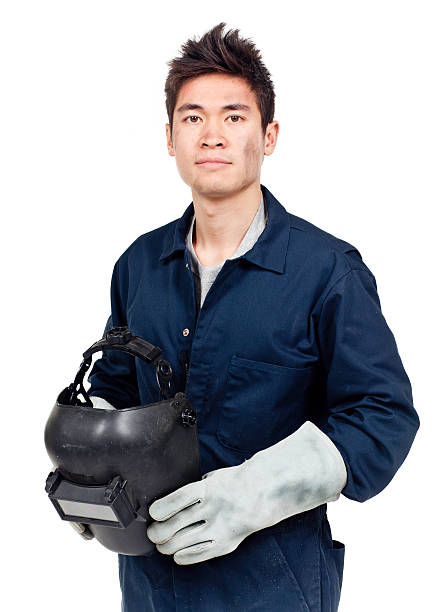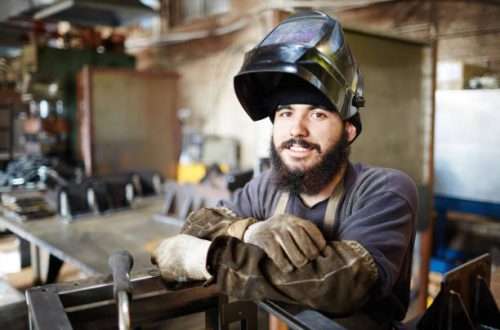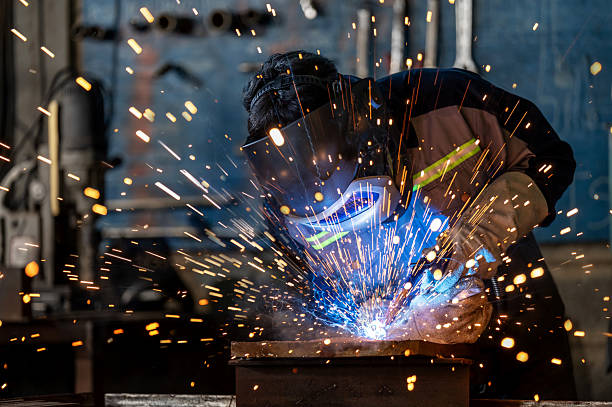
Welding is a high-risk operation. Whether employed in industrial production or as a DIY enthusiast, eye and facial safety are paramount concerns. The intense light, flying sparks, and ultraviolet radiation generated during welding can cause serious harm to the human body. Therefore, choosing the right welding helmet is the first step to ensuring safety. This article will explain how to choose the right welding helmet from multiple perspectives, including safety, comfort, and functionality .
1. Safety factors of welding helmet
welding
helmets must meet national or internationally certified optical standards, such as DIN. The higher the optical grade, the better the light clarity and the more effective it is in filtering out ultraviolet and infrared rays.
Protective coverage:
A helmet should not only protect the eyes but also the entire face and part of the neck area to prevent flying sparks from damaging the skin. Choosing a helmet with an adjustable neck guard or an extended hood can increase the safety protection range.
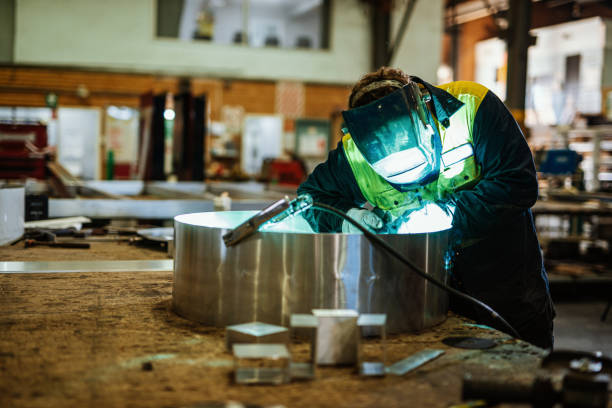
Automatic dimming function
The automatic dimming welding helmet can automatically adjust the darkness according to the intensity of the welding arc, effectively preventing instantaneous strong light damage, while allowing the welder to maintain a clear vision when not welding, reducing blind spots during operation.
2. Comfort and wearing experience
weight and headband design
can cause neck strain. High-quality helmets are typically made of lightweight materials and feature an adjustable headband system to distribute weight evenly and maintain comfort even when worn for extended periods.
Breathability and anti-fog design: When welding, heat and water vapor easily accumulate inside the helmet. Choosing
a welding helmet with good ventilation and anti-fog lenses can greatly improve comfort and prevent obstruction of vision.
3. Functionality and applicability
Convenience of lens replacement
During welding operations, the lens may be damaged or scratched by spatter. Choosing a helmet with easy-to-replace lenses can reduce maintenance troubles and extend service life.
have
different requirements for helmets. Helmets with adjustable darkness and compatibility with multiple welding modes are more adaptable.
with additional smart features
offer Bluetooth connectivity, data logging, or augmented reality capabilities, which can assist welders in improving work efficiency and safety.
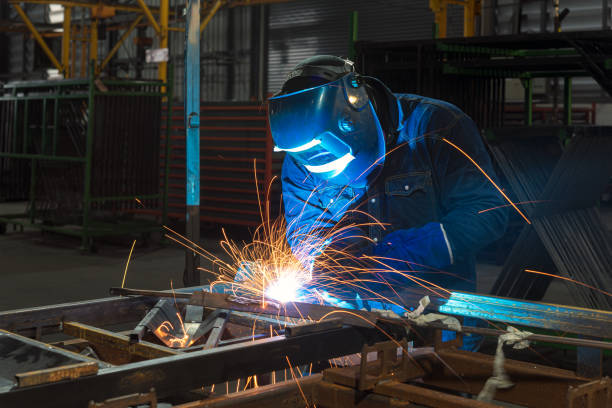
4. Practical advice on choosing a welding helmet
Beginners can choose an automatic dimming helmet that is cost-effective and has simple functions.
Professional welders may consider high-end helmets that are lightweight, comfortable, and versatile.
Pay attention to check the helmet’s certification mark and lens rating to ensure it meets safety standards.
Choose the right helmet style based on the working environment (high temperature, confined space or outdoor work).
Conclusion
A welding helmet is more than just a piece of equipment; it’s the first line of defense for safety. Choosing the right welding helmet, wearing it correctly, and maintaining it regularly can significantly reduce welding risks, making every weld safer, more comfortable, and more efficient. Safety begins with choosing the right welding helmet ; this step is essential.