Welding is a physically demanding job. Wearing a welding helmet for extended periods requires not only a comfortable fit but also proper posture to reduce neck fatigue and discomfort. Properly fitting a welding helmet not only ensures clear vision and safety, but also effectively reduces neck strain and improves welding efficiency. This article provides practical guidance on proper welding helmet wearing posture and neck protection.
1. The importance of wearing a welding helmet correctly
Helmet stability Wearing
a welding helmet correctly can ensure that it is stable and does not shift, preventing the helmet from slipping or shifting during welding, which may affect safety and vision.
Maximizing the protective effect
Only when worn properly can you ensure that the face, eyes, neck and head are fully protected to prevent welding sparks and ultraviolet and infrared rays from damaging the skin and eyes.
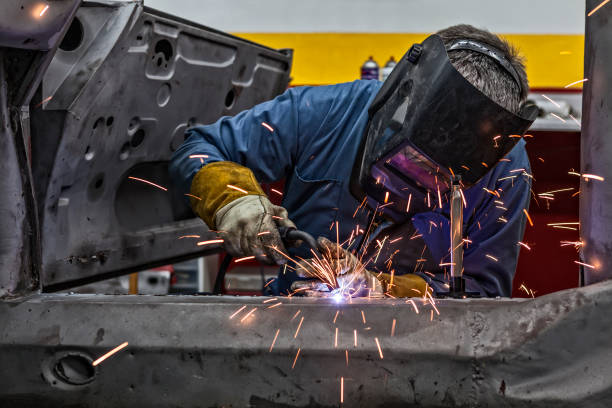
2. Steps to wear a welding helmet correctly
Before putting on the headset, adjust the tightness of the headband. A headband that is too tight will compress your head and cause discomfort; a headband that is too loose will not provide sufficient support. Make sure the headband securely holds the helmet in place without causing any pressure .
Adjust the helmet angle
. The front and rear angle of the helmet should be adjusted according to personal needs. Generally, the welding helmet should fit under the chin to avoid the helmet being too high or too low, which will affect the field of vision and comfort.
Ensure face and neck protection The neck guard of
the welding helmet should fit tightly to the neck, ensuring that there are no gaps for light leakage. At the same time, the face protection area of the helmet should cover the chin and forehead to provide comprehensive protection.
3. Avoid common wearing mistakes
wearing a helmet
, avoid adjusting it too high, as this will not only affect your field of vision but may also cause the helmet to slide and fail to provide adequate protection.
The headband is too tight or too loose
. A too tight headband will cause a sense of oppression and even affect blood circulation; a too loose headband will make the helmet unstable and increase the risk of falling off.
neck
guard does not fit the neck completely, it may cause ultraviolet radiation leakage, resulting in neck skin damage and even affect the protection of the eyes.
4. Neck protection and comfort
Helmet weight and balance:
When wearing a welding helmet for extended periods , the weight distribution and stability of the helmet are particularly important. Choosing a lightweight helmet with an evenly distributed center of gravity can effectively reduce the strain on your neck.
helmet
is comfortable, it is recommended to do some light neck exercises between tasks to relieve constant pressure. Gentle neck rotation or stretching exercises can help reduce fatigue.
Wear an appropriate neck pad.
Some high-end welding helmets are equipped with comfortable neck pads. The use of soft materials provides additional support, reduces direct pressure on the neck, and improves wearing comfort.

5. The importance of correct posture for neck protection
When welding, keep your back straight and your neck relaxed. Avoid bending your head for long periods of time. Excessive bending or lowering of the head will increase neck pressure .
Adjusting the
height of the welding table or workbench should be adjusted according to the working requirements, ensuring that the body can maintain a natural posture without excessive bending of the neck during operation.
Keep your head and shoulders balanced when wearing the
helmet. When welding, not only should the helmet be worn properly, but the welder’s posture should also be natural. Avoid tilting your head forward or to one side for long periods of time, as this will help reduce neck muscle fatigue.
VI. Summary and Suggestions
a welding helmet is not only about protecting the eyes and face; proper wearing posture can also effectively reduce neck stress and improve work comfort and efficiency. By adjusting the headband, helmet angle, and neck guard position to ensure the helmet is stable and comfortable, combined with good welding posture, welders can maintain physical comfort during long work periods, avoiding unnecessary muscle fatigue and occupational injuries.