an auto-darkening welding helmet , the power supply system is a key factor in determining performance stability and lifespan. Different energy sources not only affect the helmet’s response speed but also its ease of maintenance and use. Understanding the energy consumption mechanisms and power supply methods of a welding helmet can help welders choose more efficient and durable protective equipment.
Energy requirements of automatic dimming systems
The welding helmet ‘s automatic dimming system primarily consists of a light sensor, a liquid crystal filter, and a control module. These components require stable power during operation. Whenever a welding arc appears, the sensor immediately detects the light intensity and triggers the liquid crystal lens to dim. This split-second response requires a short burst of high-power power, while energy consumption is extremely low in standby mode. Therefore, the core goal of the helmet’s power supply system is to ensure sufficient power during critical moments while maintaining low power consumption during normal operation.
Battery-powered helmets
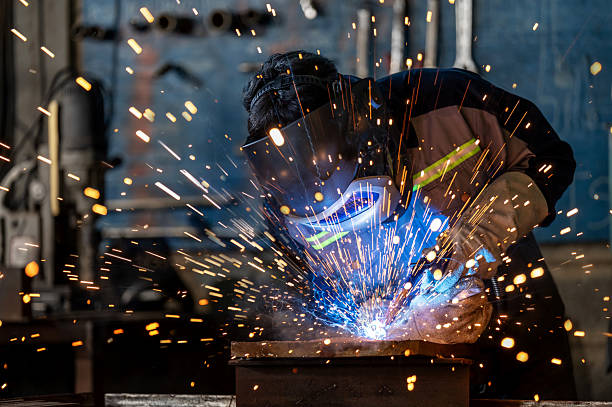
Traditional auto-darkening helmets are mostly powered by lithium or button batteries. Their advantage is their stable response, virtually unaffected by ambient light. These helmets often feature replaceable batteries, allowing for continued use even after depletion. Battery-powered helmets offer exceptional reliability for frequent welders, but they still require regular battery replacement to prevent slow dimming due to low battery levels. Some high-end models feature a low-battery warning, prompting users to replace batteries promptly.
Solar-powered helmets
To reduce maintenance, many modern welding helmets utilize solar-assisted power. These helmets are equipped with photovoltaic panels that automatically charge using the welding arc light or natural sunlight. This design not only extends battery life but also makes the helmet more environmentally friendly and economical over long-term use. However, solar power efficiency decreases in low-light conditions or after extended periods of inactivity, so some products still include a backup battery system for emergencies.
Hybrid power supply solution
Most current mainstream high-end models utilize a hybrid power supply system combining solar power and lithium batteries. This design offers the dual advantages of continuous power and stable response. Solar power maintains the energy cycle during daily use, while the lithium battery provides supplemental power during periods of low sunlight, ensuring operation in all conditions. This hybrid power system not only improves durability but also reduces the need for welders to worry about battery life, making it particularly suitable for outdoor work or highly mobile work environments.
Energy saving and life management
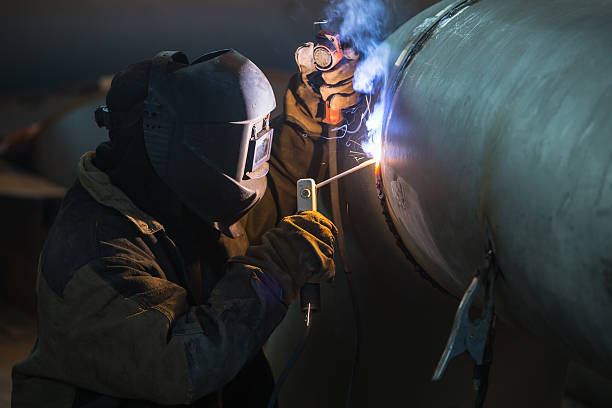
Energy consumption varies significantly between brands of auto-darkening helmets. Some models automatically enter sleep mode after a period of no arc light detection to reduce power consumption. Other models feature smart wake-up functions that automatically activate the system upon detecting even the slightest change in light. These small energy-saving details significantly extend the life of the helmet. Additionally, regularly cleaning the light-sensing area and the solar panel surface can improve energy efficiency.
Conclusion
a welding helmet embodies a balance between technology and practicality. Whether it’s traditional batteries, solar power, or a hybrid solution, the core goal is to ensure safety and reliable response in any environment. For welders, choosing a helmet with low energy consumption, stable power supply, and simple maintenance not only makes work smoother, but also saves costs and effort over long-term professional use. Behind the stable power supply is the guarantee that every weld can be completed safely and accurately.