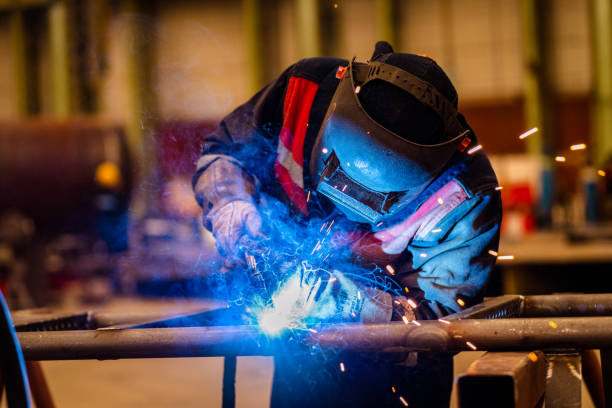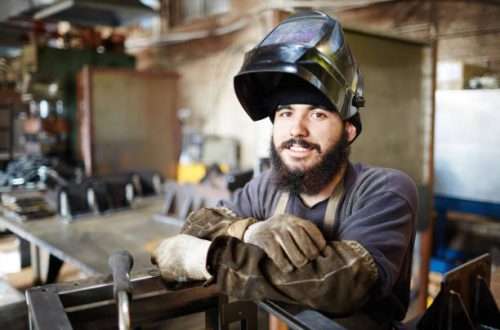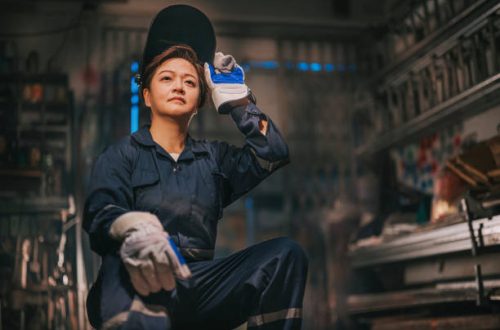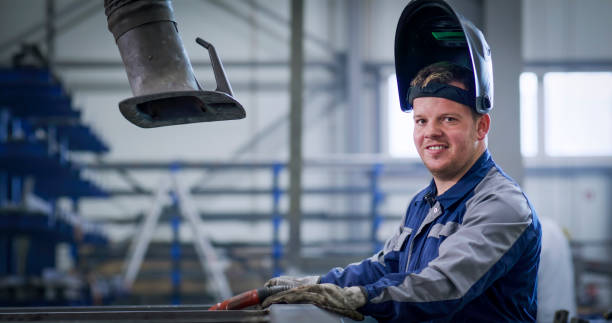
There are many different types of welding, with arc welding and gas welding being the two most common. The light intensity, sparks, and heat generated by these different welding methods vary significantly, necessitating different requirements for welding helmets . Choosing the right welding helmet can improve safety and efficiency. This article will analyze the differences in helmet selection between arc welding and gas welding.
1. Key points for selecting welding helmet
High Arc Intensity
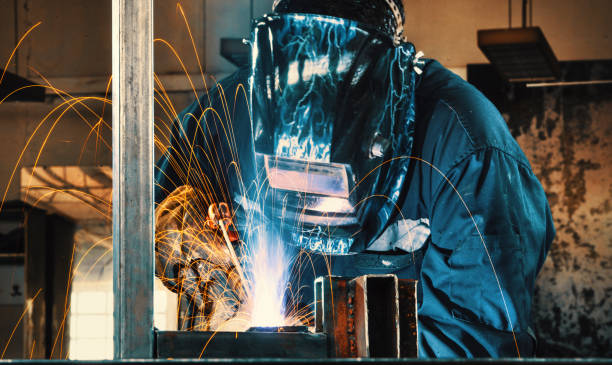
Electric welding produces high-intensity arc light with very high instantaneous brightness, which can easily cause eye damage.
It is recommended to choose an automatic dimming helmet that can quickly switch the darkness to protect your eyes
The filter level is recommended to be in the range of DIN11-DIN14, and it can be adjusted according to the current.
Protection strength
Electric welding produces many sparks and high temperatures, requiring high facial protection
It is recommended to choose engineering plastics or composite materials for the helmet, which have strong impact resistance and high temperature resistance.
Field of view requirements
Automatic darkening helmet can maintain clear vision when not welding
Large-size lenses are more conducive to observing the weld and surrounding environment, improving operation accuracy
Key points for selecting gas welding helmet
The light is softer.
The light of gas welding is relatively soft, and the glare and arc intensity are lower than those of electric welding.
A fixed darkness helmet can meet general protection needs
The filter level is usually DIN9-DIN11
Sparks and high temperatures
Gas welding has fewer sparks and relatively low temperatures, but its requirements for impact resistance and high temperature resistance are not as strict as those for electric welding.
Ordinary plastic helmets can meet daily protection needs
Portability and comfort
Gas welding operations are mostly light operations, so wearing comfort and breathability are more important
Lightweight helmets can reduce neck fatigue

Select suggestion
Welding workers : Give priority to automatic darkening helmets with large-size lenses and materials that are resistant to high temperatures and impacts to ensure eye and face safety.
Gas welding workers : You can choose a fixed shade, lightweight helmet, focusing on comfort and ease of wearing.
Mixed operation : If electric welding and gas welding are performed at the same time, it is recommended to choose an automatic darkening helmet with multiple levels of darkness to cope with different welding intensities.
Conclusion
Different welding methods require tailored helmet selection. Electric welding prioritizes high-strength protection and auto-dimming capabilities, while gas welding prioritizes comfort and portability. Understanding the differences between the two and choosing the right helmet will not only protect your eyes and face, but also improve welding efficiency, ensuring a safe and smooth weld every time.