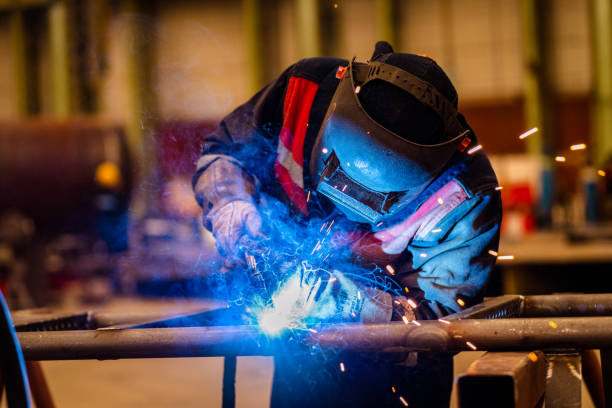
a welding helmet is a core component for eye protection. Its type and performance directly impact both worker safety and visual experience. A wide variety of lens types are available on the market, including fixed-shade, auto-dimming, and designs with varying levels of light filtering. Understanding the characteristics and application scenarios of different lenses can help welders choose the most appropriate equipment, improving welding efficiency and safety.
1. Fixed darkness lenses
Features
Fixed shade lenses maintain a fixed shade value during the welding process. Common shade range is DIN10-DIN14.
advantage
Low price, simple structure and easy maintenance
No adjustment required, easy to operate
shortcoming
Unable to adjust according to arc intensity, poor adaptability
May cause eye discomfort in strong or weak light
Applicable people
Beginners or occasional soldering enthusiasts
The working environment is fixed and the welding strength does not change much

2. Automatic darkening lenses
Features:
Automatic darkening lens can automatically adjust the darkness according to the intensity of welding arc, usually switching speed is 1/25,000 second level.
advantage
Protect your eyes and reduce glare damage
Can remain transparent when not welding, making it easy to observe the workpiece
Adapt to different welding methods and strengths
shortcoming
Higher costs
Requires power source such as solar or battery
Applicable people
Professional welders or long welding operations
Multi-scene welding requires flexible darkness adjustment
3. Filter level selection
Filter grade (DIN grade)
The filter grade determines the light transmittance and arc light shielding ability of the lens. Common grades are DIN9–DIN14, with higher grades being suitable for high-current welding.
Selection Tips
Low current (less than 100A): DIN9–DIN10 is sufficient
Medium current (100–200A): DIN11–DIN12
High current (over 200A): DIN13–DIN14, to protect eyes from damage
darkening
helmet can be adjusted to multiple levels of darkness, making it more flexible to adapt to different welding tasks.

4. Lens size and field of view
Large lens
Provides a wide field of view and reduces frequent head movements
Easy to observe the weld and surrounding environment
Small and medium lenses
Lighter and more comfortable to wear
Suitable for small spaces or frequent movement operations
5. Maintenance and Replacement
Check lenses regularly for scratches, cracks, or aging
Automatic dimming lenses should keep the sensor clean to ensure sensitive response
Damaged or discolored lenses need to be replaced in time to ensure protective performance
Conclusion
Welding helmet lenses come in a variety of styles. Choosing the right lens is crucial for protecting your eyes and improving your productivity. Fixed-shade options are suitable for beginners or occasional welding, while auto-dimming options are ideal for professional and multi-purpose welding. The filter level, lens size, and light transmission performance all need to be selected based on the welding type and environment. Understanding lens characteristics ensures safe, precise, and comfortable welding every time.